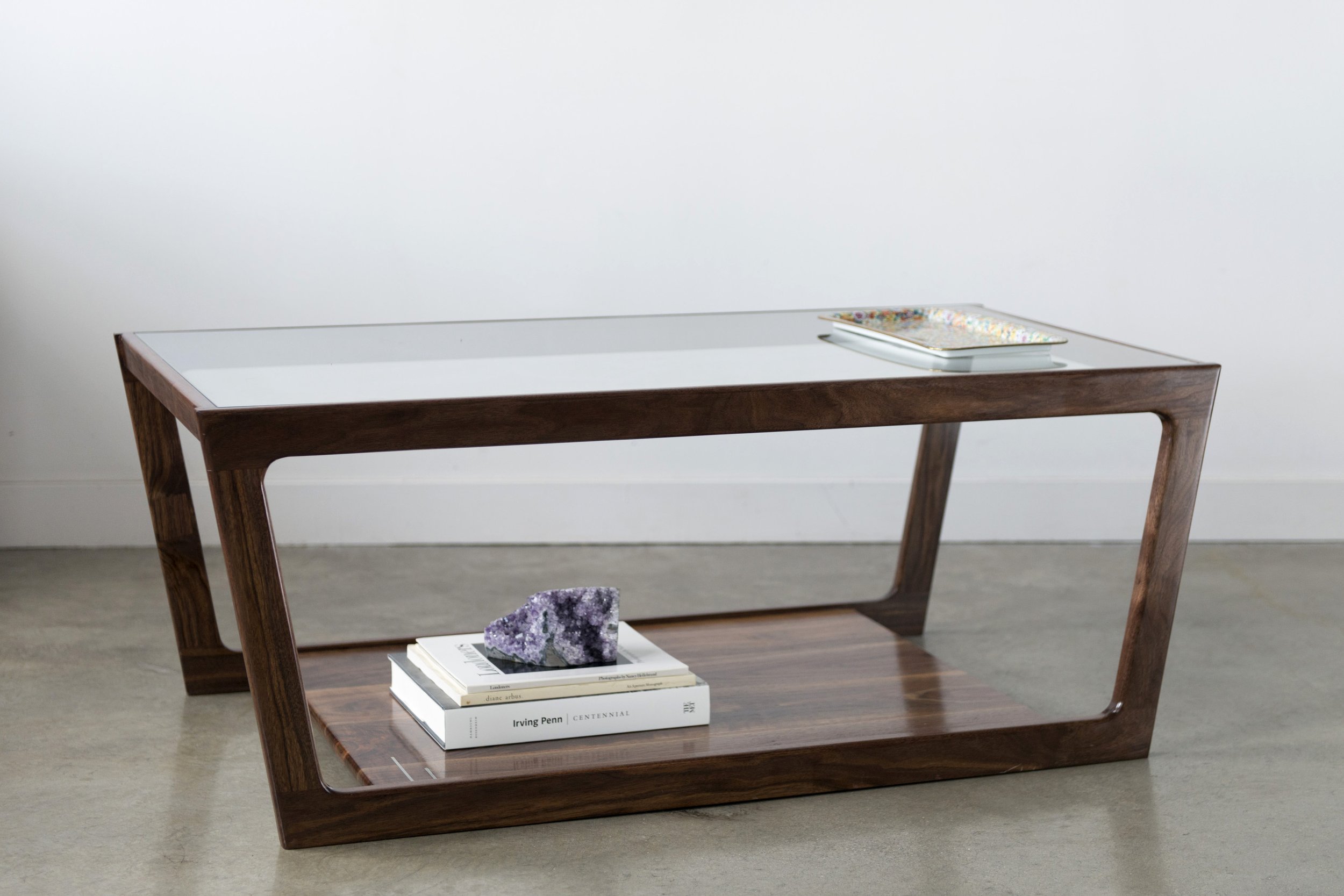
Where Does the Wood Come From?
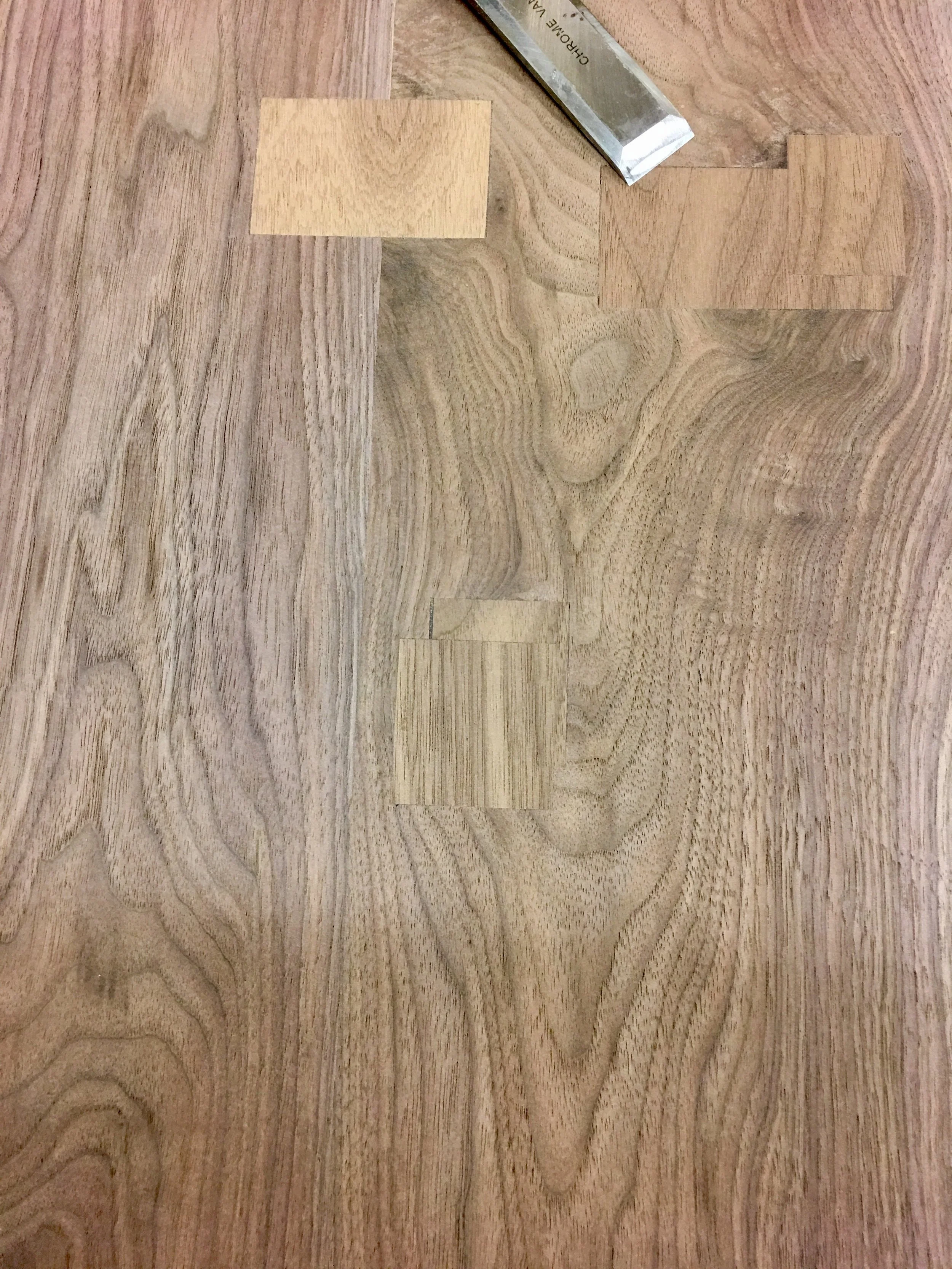
Everything I build starts with a choice about materials. I don't buy kiln-dried lumber from a distributor. Instead, I make a point to source storm-felled and reclaimed hardwood from the greater Philadelphia region. This is wood that would otherwise be lost to a landfill or wood-chipper. The grain, the character, the history of a board matter as much as the species.
-
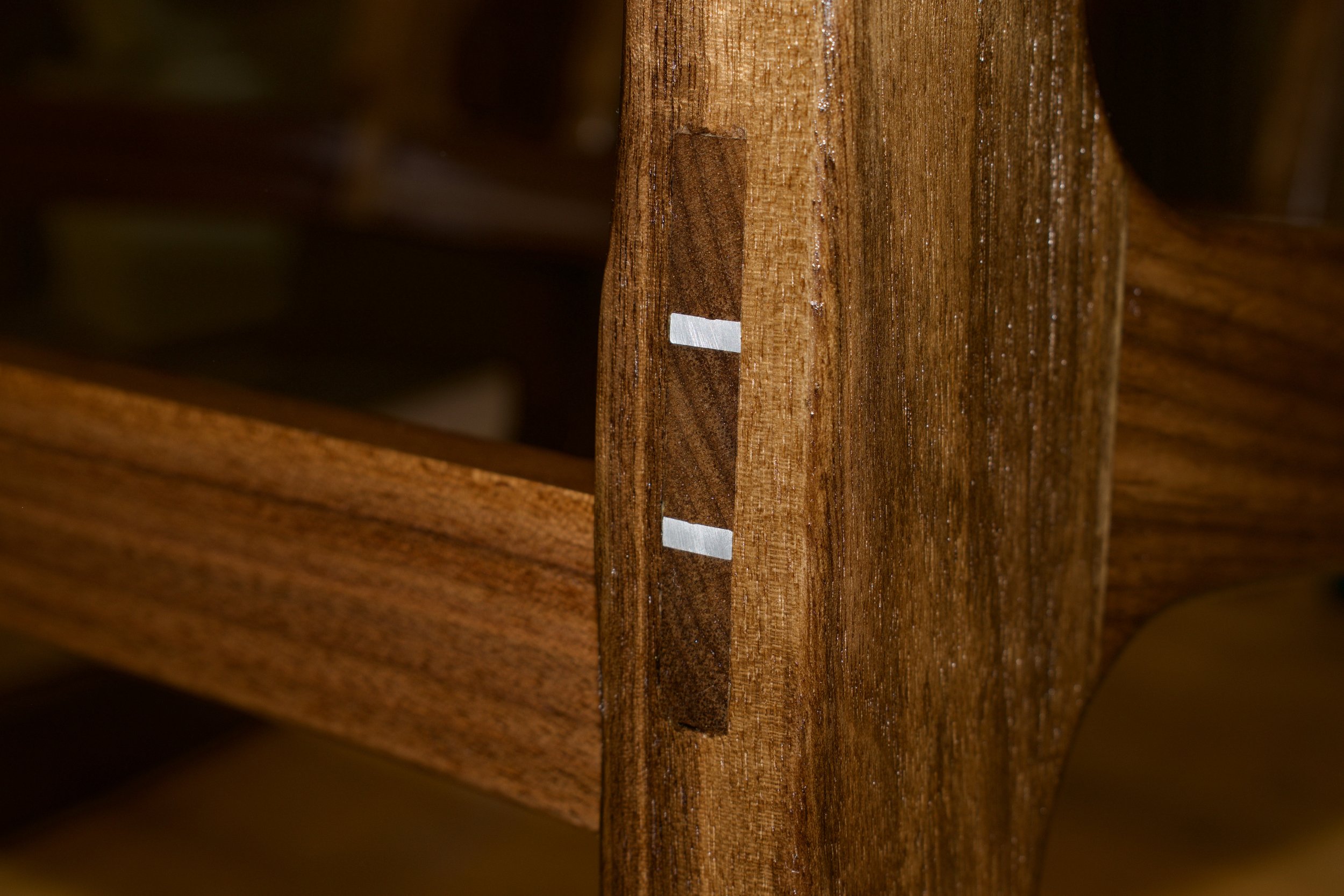
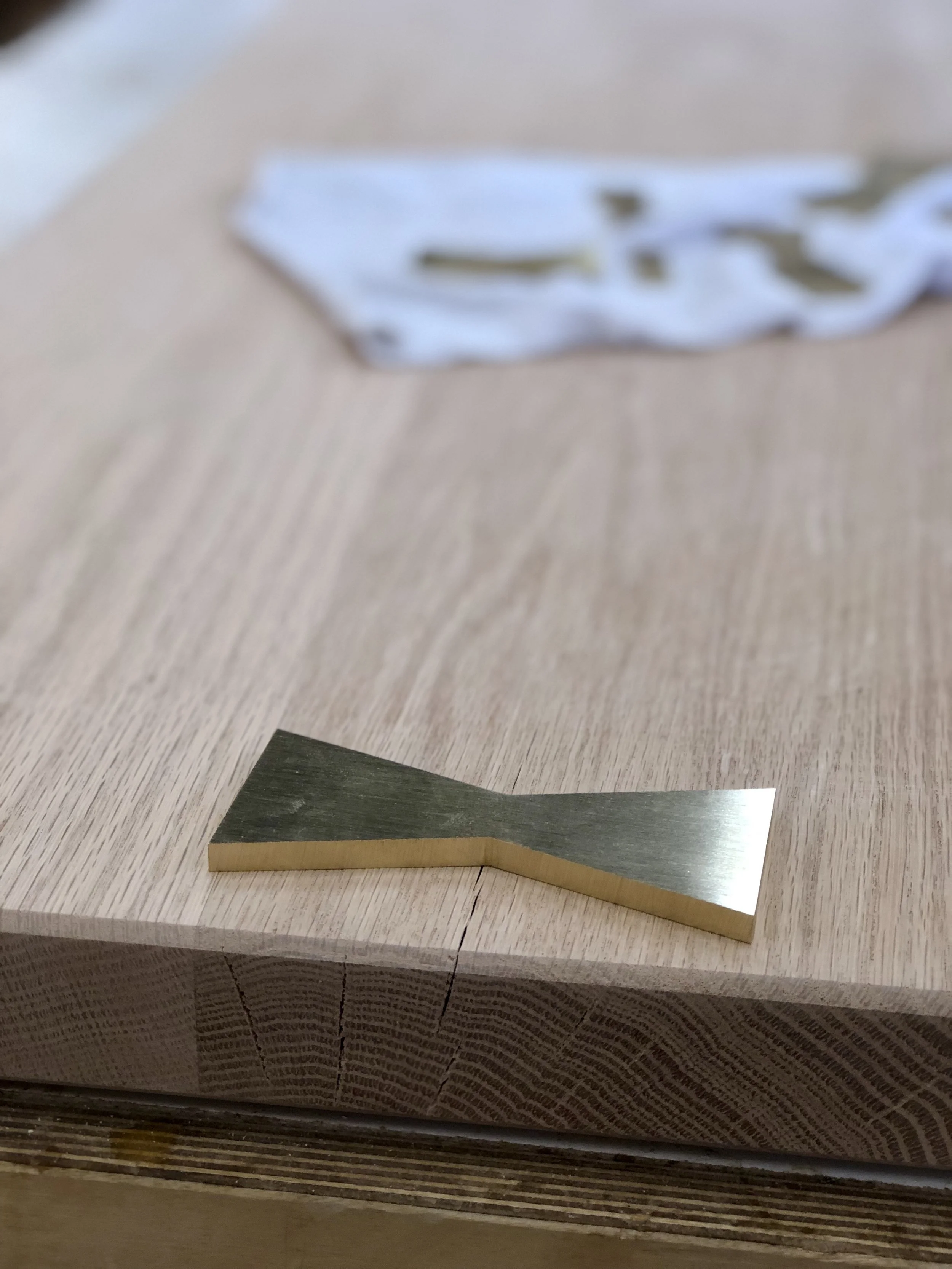
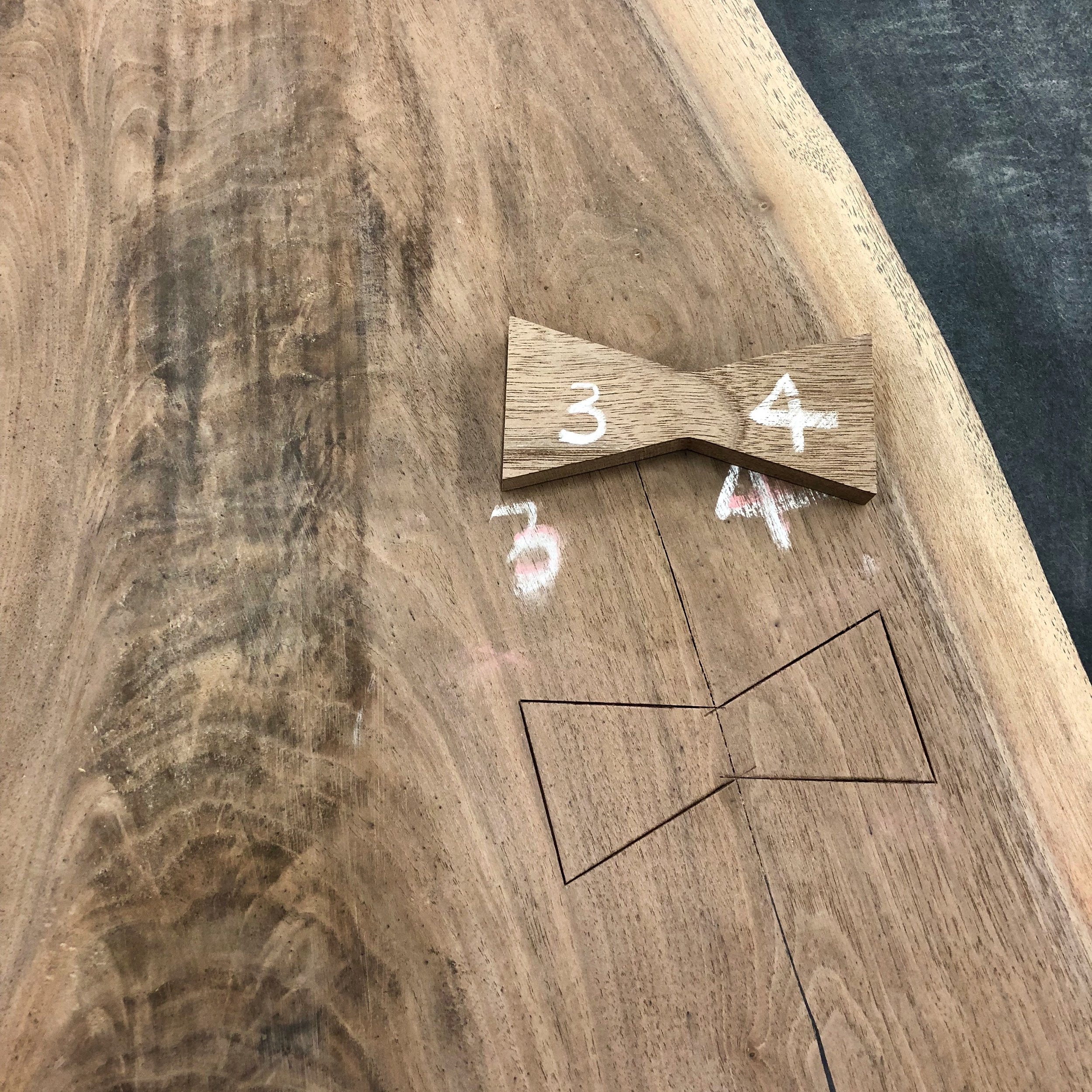
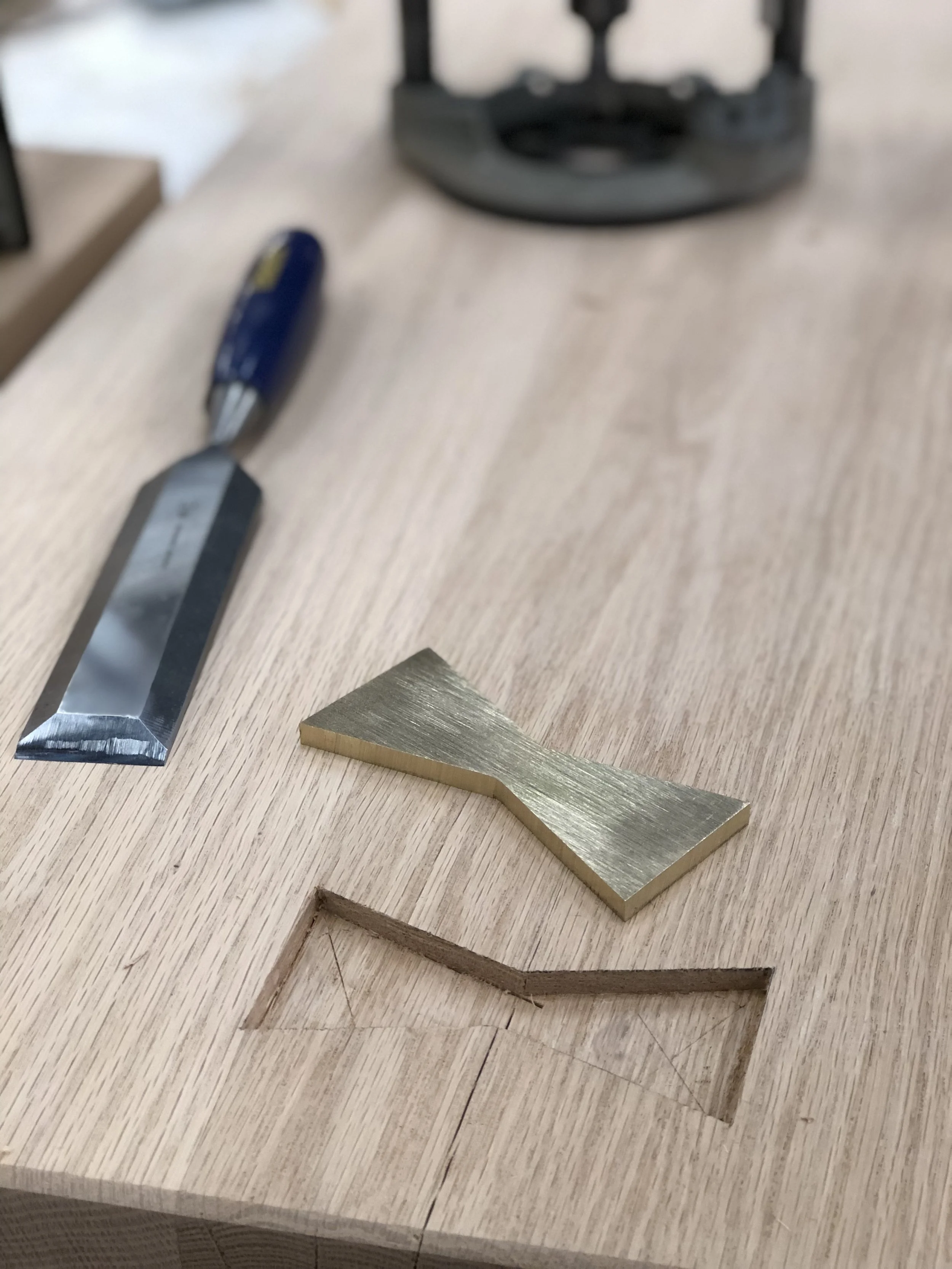
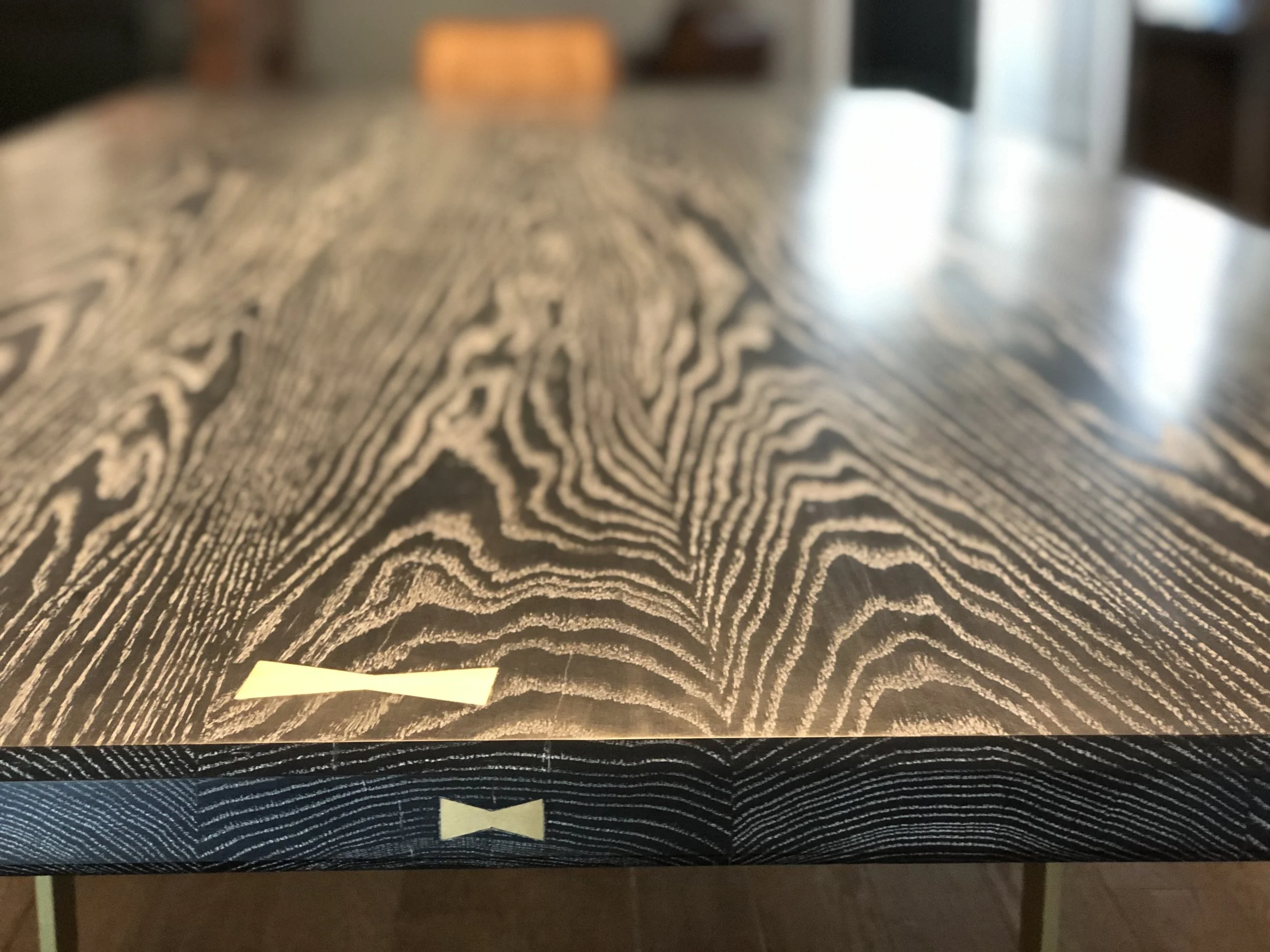
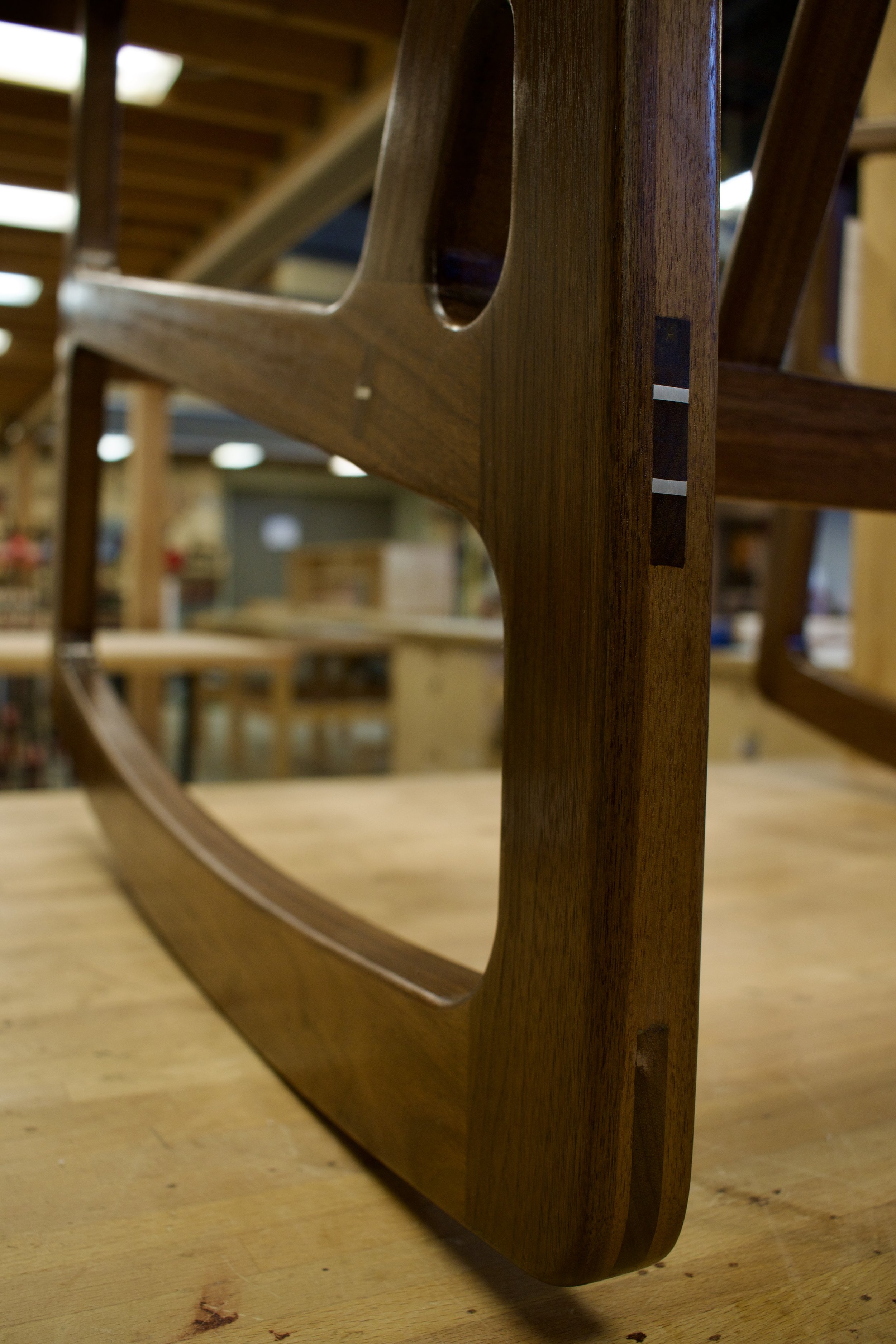
Some boards carry a knot or a check — places where the tree lived hard. Storm-felled wood often does. Rather than cut those sections out and waste the piece, I keep them and stabilize them with steel, aluminum, or brass set across the grain, holding a crack-prone area in place and letting the wood stay in the piece. The repair sits on the surface, not hidden beneath it. The metal is deliberate, and so is keeping the wood that called for it.
It's not a workaround. It's a feature.
-
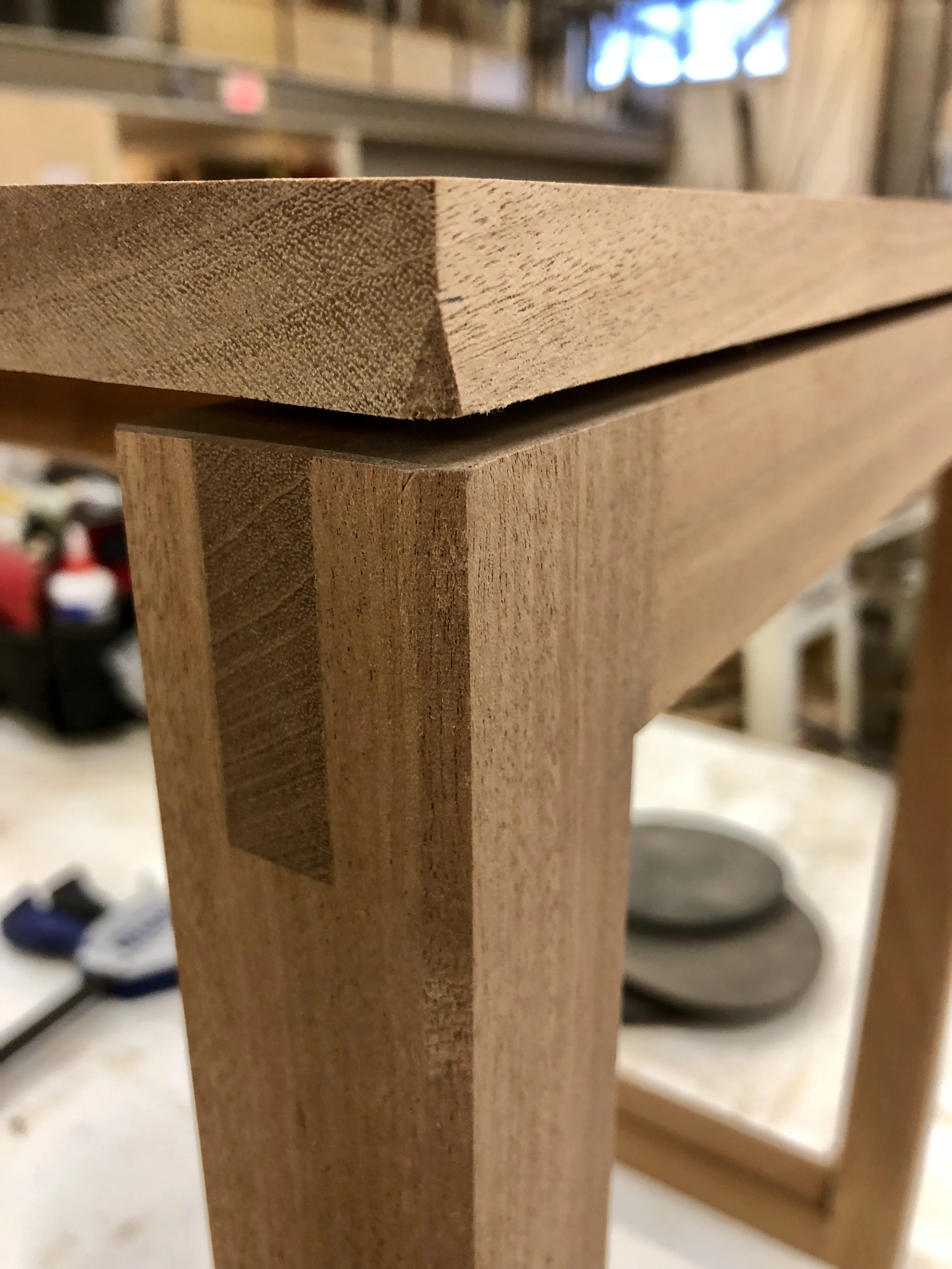
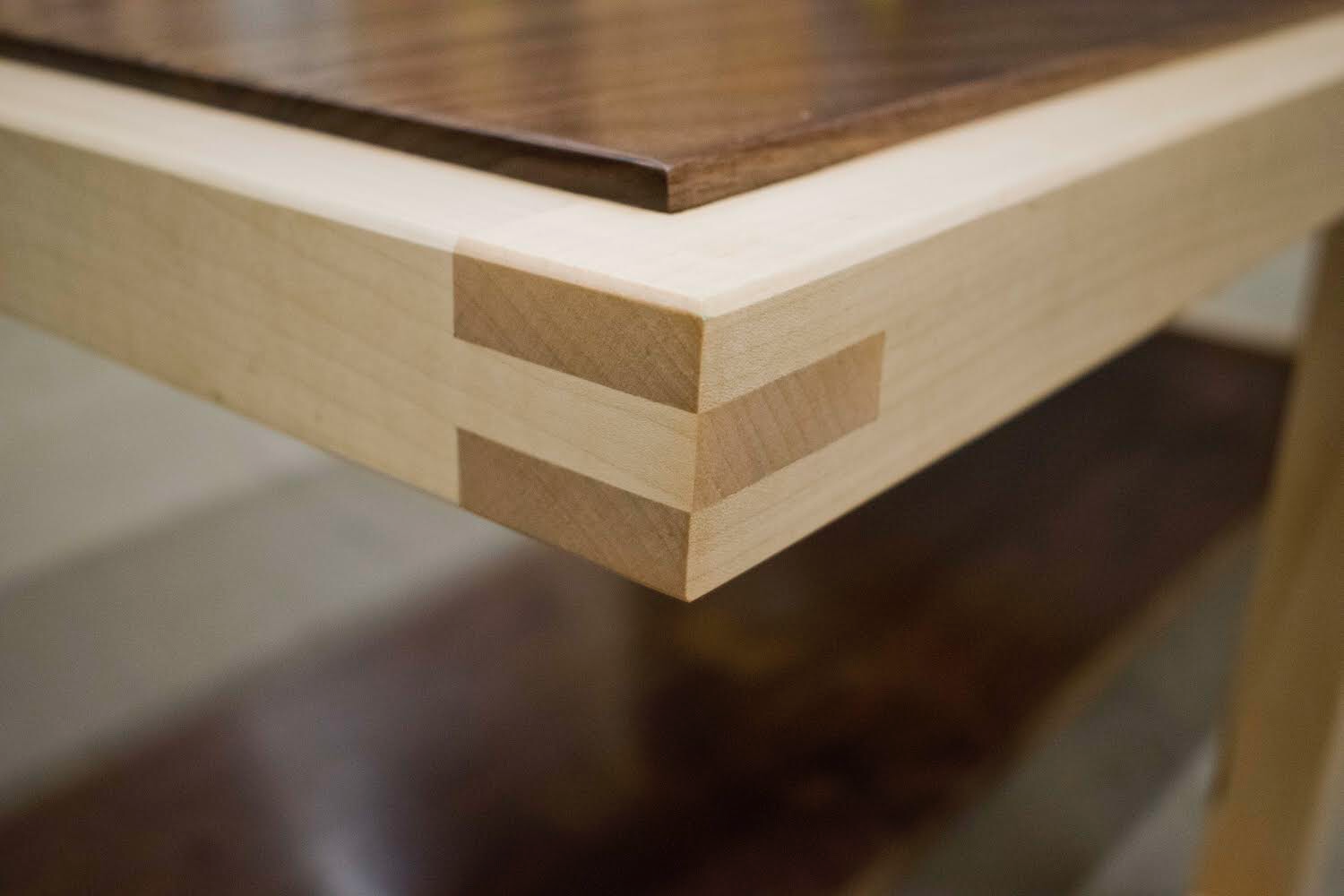
Traditional, time-tested joints — bridle, mortise-and-tenon, dovetails, and bowties — are deliberately chosen for their function as well as beauty. They're the structure. No dowels standing in for real joinery. Every angle is visible from every side because there's nothing to hide.
-
When you buy a piece from GVH, you're buying a decision to keep what's good and fix what's fragile, rather than discard and start over. You're buying wood with a story, and steel, aluminum, or brass that tells you exactly where it mattered. You're buying the belief that nothing worth saving gets wasted.